What are ‘No Gaps’ Shutters?

No Gaps Frame

Traditionally, shutter panels require a ~3mm clearance gap to fit inside a window opening ( reveal). Because window reveals are rarely perfectly square, these gaps can look uneven and let in light.

When shutters began to be made of PVC in the early 2000’s, the panels were installed into frames, largely due to the high expansion of plastic which needed room to move with temperature. The gaps are large.

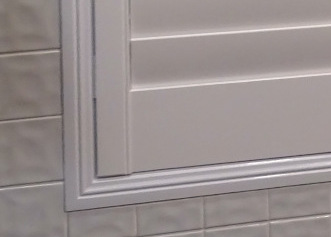
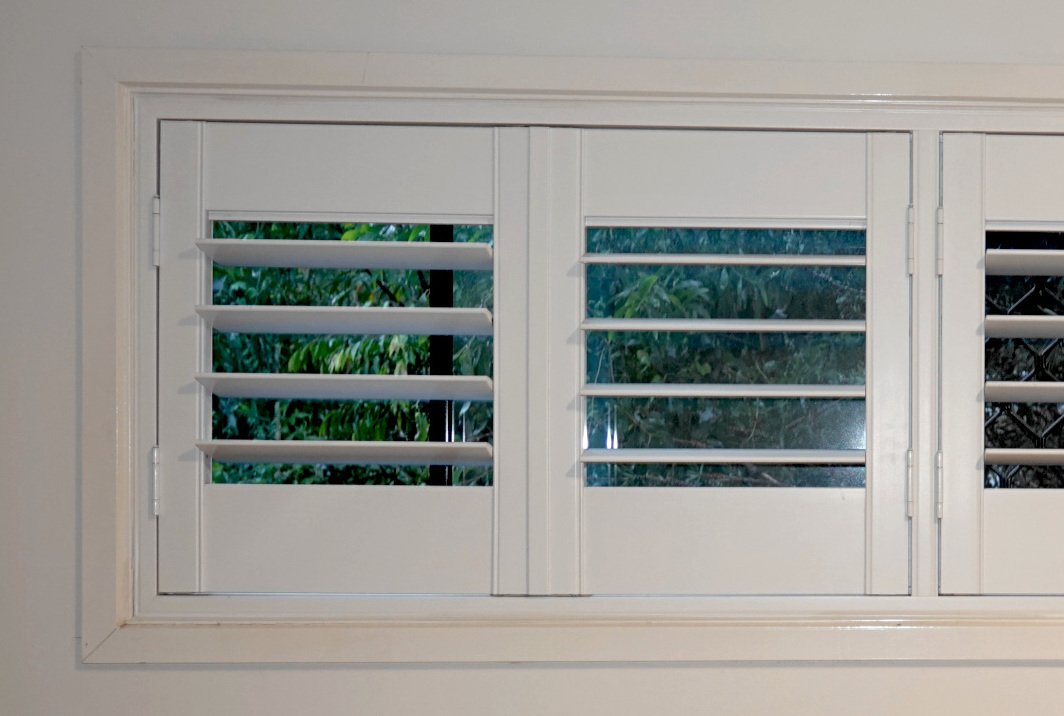
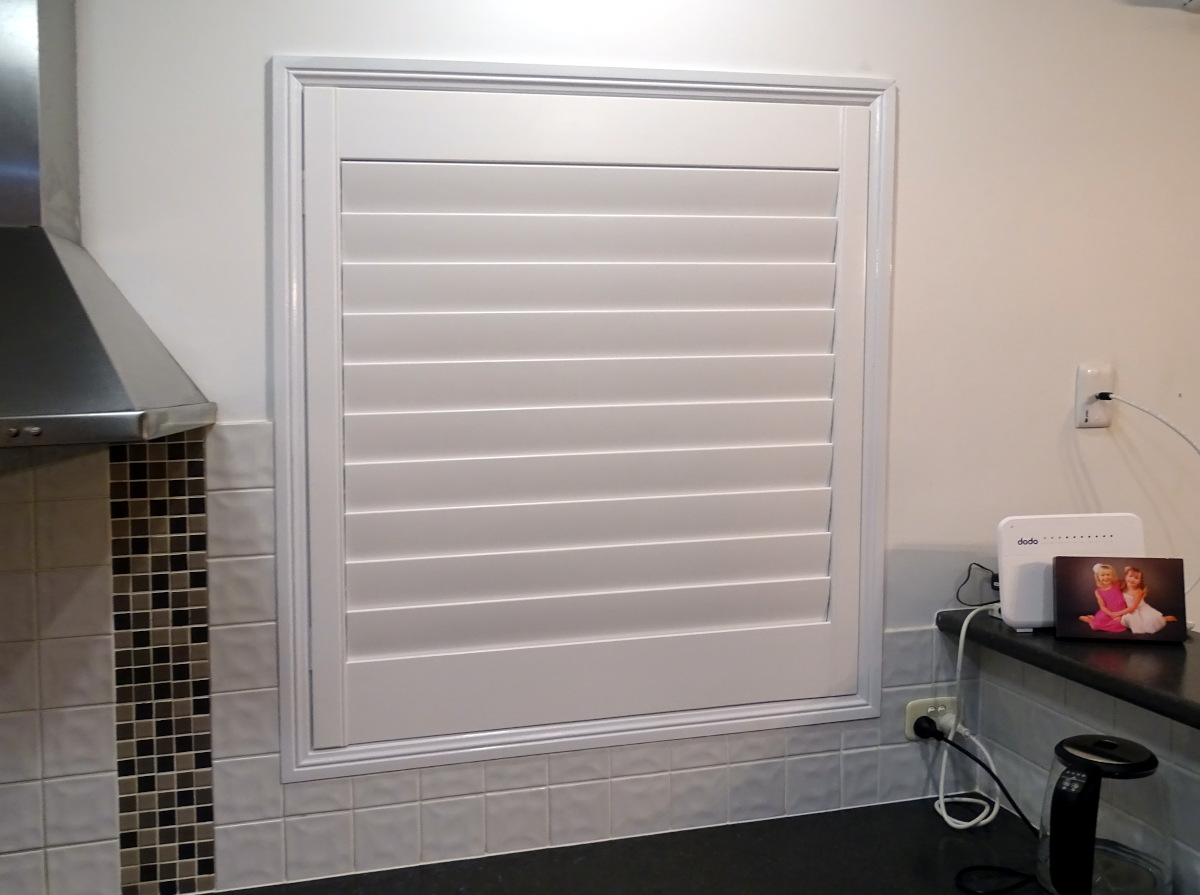
The ‘No Gaps’ option (exclusive to DIYShutters and Pro-Wood Plantation Shutters; Patent Pending ) eliminates these visible gaps, hiding the hinges and creating a seamless, integrated look.

 Note: This feature applies exclusively to  Reveal Fit  timber panels; it is not available  for Face Fitted panels. However, panels mounted in our minimal frame ( where  depth is not sufficient), can also be supplied as ‘No Gaps’.

Traditional Shutter Mounting

Shutters inside a frame -PVC

 DIYShutters-No Gaps Shutter  Mount

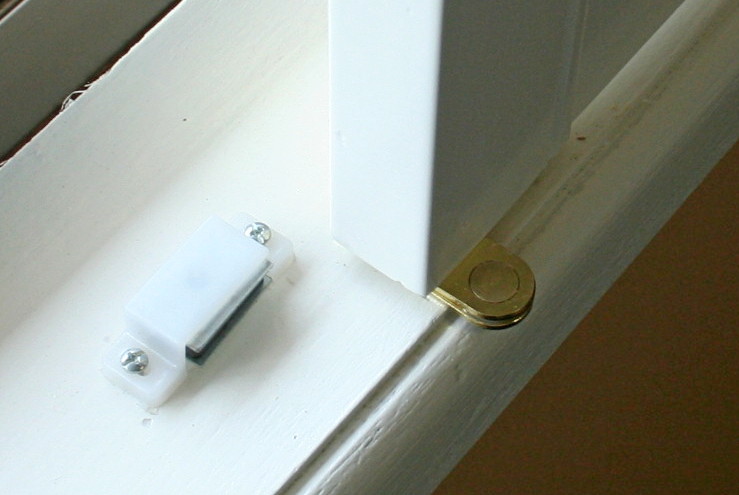
 Pivot Hinge

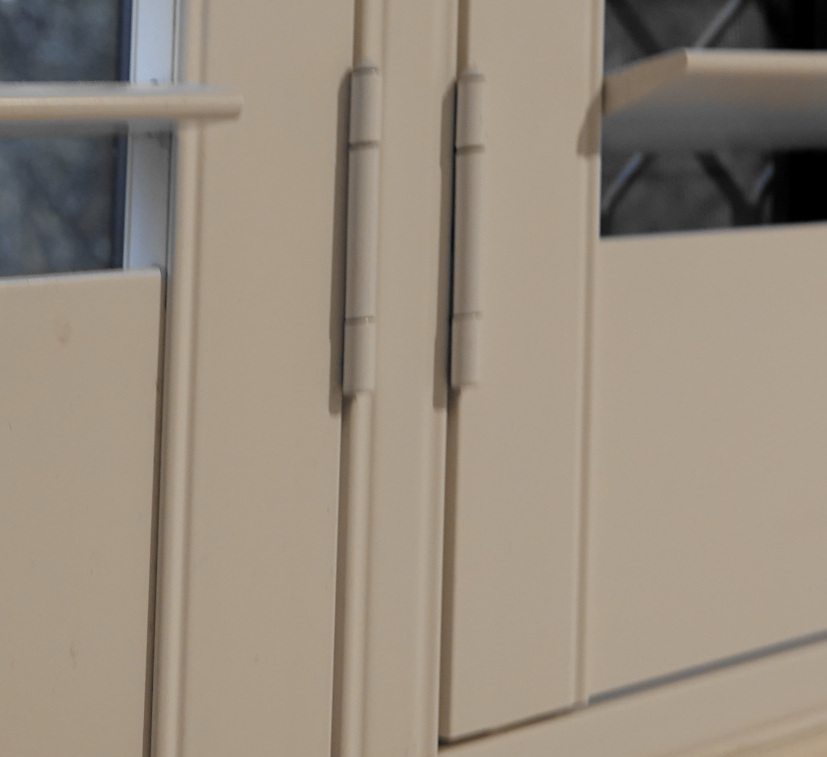
Hirline Hinges

Hidden Hinges

Why Timber Beats PVC

 The ‘No Gaps’ system relies on precise craftsmanship that is only possible with high-quality  engineered timber.

  • Material Stability: PVC, ‘Poly’, and ‘Resin’ expand  and contract too much, making it  impossible for a panel to be fitted without jamming. Furthermore, PVC, unlike timber, is  too problematic for machining the precise rebates required for a snug fit.
  • Durability: PVC degrades quickly, and disentangles,  whereas timber offers lasting  structural integrity. It will last the life of your home.
  • Gap Issues in PVC:  Standard PVC installations often  require large gaps (6mm to  10mm) between panels and frames, which let in significant light.
PVCShhutter
oplus

PVC ‘Poly’ and ‘Resin poly’ are subject to  sagging over time, as the above 10 yo  panels show, increasing the gaps and  making the panel unusable.

Timber beams in a 125 year old church. Stable,  reliable, strong, no sagging. Timber does not  change dimensions, crack or peel if the moisture  content is stable. These beams are coated to  achieve that stability. DIYShutters panels are  engineered timber coated with 2pac for an  expected 100 year life.

pre painted diy

How It Works

 Standard pivot-hinge shutters are installed  inside  the window reveal. The ‘No Gaps’ system  takes a smarter approach:

  • Utilizing the Shoulder: Window reveals feature an  architrave mounted 3mm to 5mm  back from the reveal, creating a “shoulder.” The No Gaps concept takes advantage of  this.
  • Over-Sized Engineering: ‘No Gaps’ panels are machined  roughly 6mm larger than the  window opening.
  • No Frame.
  • Rebated Sides Top & Bottom: The back of the panel  is rebated all around, allowing it  to fit just over the reveal and sit neatly against the architrave.
Sliding shutters
No Gaps installation - hinges hidden, seamless integration with surrounding architrave. No frame. No posts.

The Ultimate Visual Upgrade: Pure, Seamless Elegance ​

Standard shutters are constrained by distracting clearance gaps, visible hardware, and intrusive  light leaks that break up the lines of your window. The  ‘No Gaps’ concept  completely rewrites  the rules of window styling.

  • Zero Distractions: By almost completely concealing  the hinges and eliminating raw  edge gaps, your shutters blend flawlessly into your home’s architecture.
  • Absolute Light Control: Traditional gaps let lines  of harsh sunlight pierce through your  room. The rebated, overlapping design blocks out creeping perimeter light for a cleaner,  more comforting ambiance.
  • A Custom, “Designed-In” Finish: Instead of looking  like an aftermarket addition sitting  inside a frame, ‘No Gaps’ timber panels look like an integral, built-in feature of your  home.

Once you witness the clean, continuous stream of a completely seamless shutter installation,  you will never want to look at standard, gapped frames again.

Key Benefits for DIYers

  • Flawless Aesthetics: Delivers a premium, “designed-in”  appearance with little or no  light leakage around the edges that you can achieve.
  • Easier Installation: Because the panels sit over the reveal rather than inside it,  out-of-square or irregular window openings are no longer an issue , making DIY fitting  significantly easier.

So what is ‘No Gaps’ Why does DIYShutters make such a big deal about it?

The answer is; once you’ve seen it, you won’t want any other style of installation.

No Gaps Frame

DIYShuters ‘No Gaps’ make Frame obsolete. Big hinges are obsolete. Big gaps are eliminated.Only works if the panels are timber. Just not feasible with PVC,’Poly’ or ‘Resin, all of which are PVC anyway which expand too much, are too difficult to machine rebates into for a snug fit between architrave and reveal, and besides PVC degrades quickly.

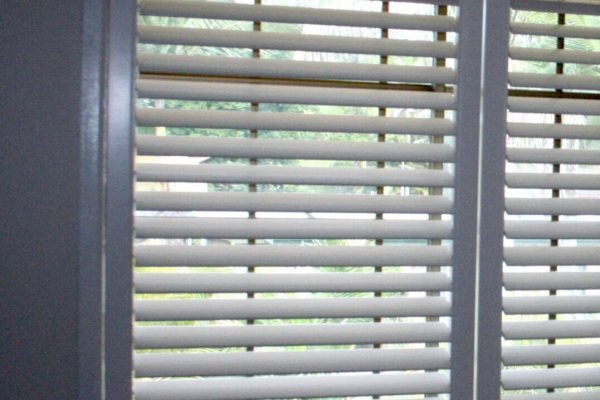
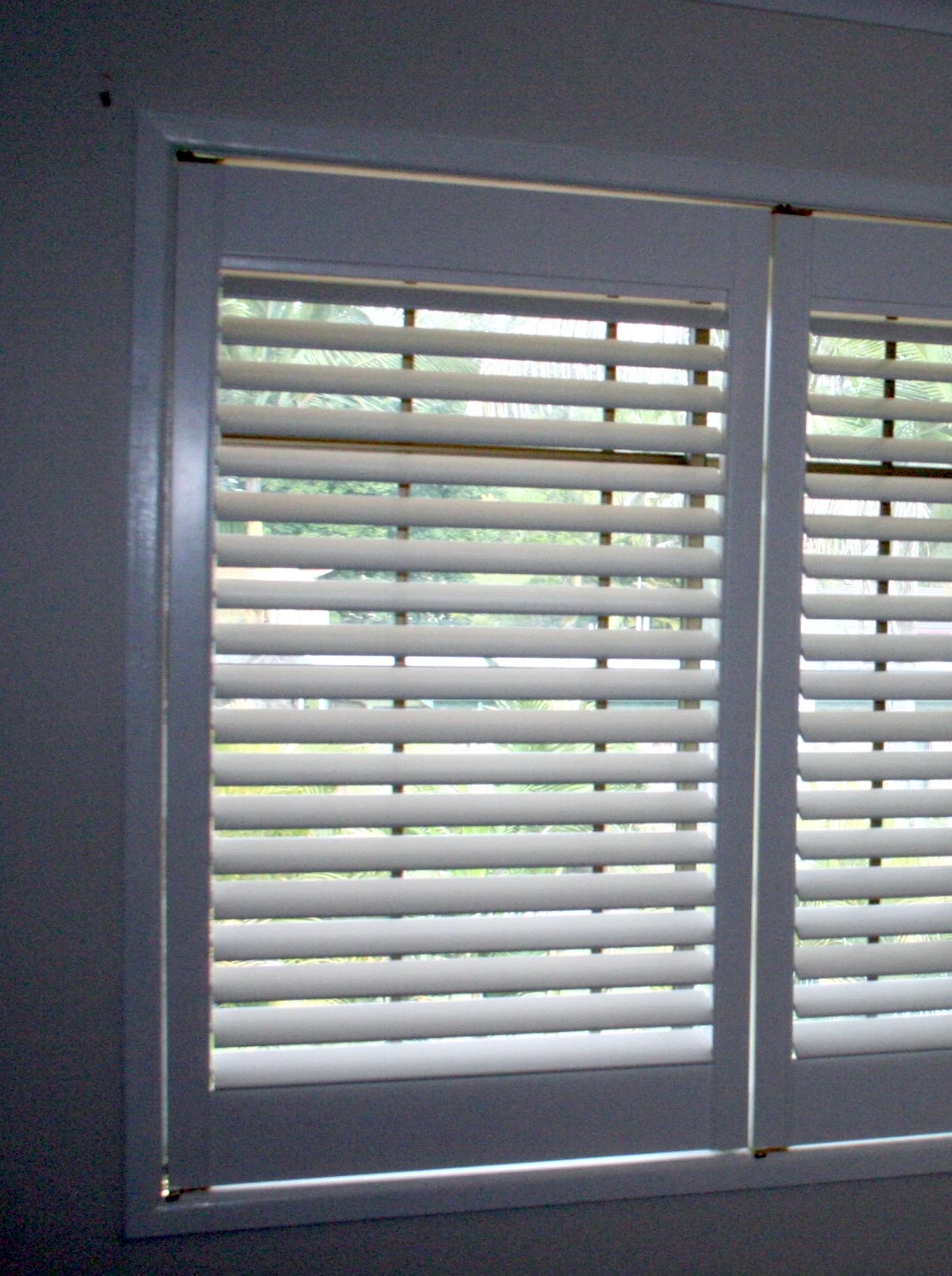
For a start what are the gaps around shutters? These are the necessary spaces around a shutter panel, that allow it to be fitted inside the window opening or ‘reveal’, or in the case of PVC to allow for expansion.They can be between the panel and the reveal, or in the case of PVC between the frame around the panel, and the reveal, AND the gap between the panel and th frame. Again in the case of PVC these gaps can be quite large, 6 to 10 mm, and usually let some light through. See photos.

Sliding shutters
No Gaps installation - hinges hidden, seamless integration with surrounding architrave. No frame. No posts.

The ‘No Gaps’ option offered by DIY/Pro-Wood Shutters minimises these gaps and provides a seamless appearance to the installation when the shutters are viewed from the front. No Gaps does not apply to Face Fitted panels but the reveal fit type.

Note that No Gaps mount is exclusive to Pro-Wood Plantation Shutters, is Patent Pending, and also largely hides the hinges.

Traditionally, shutter panels installed by DIYShutters have been mounted using Pivot Hinges. The panels have about 3mm clearance around the outside of the panel to ensure they fit inside. Window reveals are never uniform so these gaps are necessary.

oplus

However, when the window opening is a lot out of square, or irregular, the gaps would also vary. On rare occasions some customers might complain about these gaps, but mostly customers accept them as part of the window
furnishing type and reality of window reveals. See the first photo.
Nevertheless, the No Gaps option overcomes the appearance of gaps and adds elegance, which is how it should be for an expensive window furnishing like shutters.

To explain further what the reveal is; it is the timber that is attached to the Aluminium window frame when it is installed. At the front of the reveal, an architrave is typically mounted to cover the gap between the reveal and the
plaster. This architrave is usually set back 3 to 5 mm from the reveal forming a ‘shoulder’. Pro-wood take advantage of this shoulder by, in effect, fitting the panels between architraves, so the shutter panel is more or less covering
where there would normally be a gap.

PvotHinge

The ‘No Gaps option is a way to make shutters look as if they were ‘designed in’, as part the window opening! Instead of the panels being installed inside the reveal, such as with our standard Pivot Hinge fit, they are made about 5 mm larger than the opening, and fit just slightly over the reveal. The back of the panels is rebated all around.

This also means for DIY customers they are usually easier to fit as clearance in a non-square opening is less of an issue. The panel does sit out much from the reveal, about 7 mm and generally is flush with the architrave for many profiles. See second photo.

PVC suppliers fit their panels in frames. However, this does not reduce gaps but increases them, especially if the
frame does not sit over the reveal or architrave, but forms a border. Frames also ‘bulk up’ the installation.

PVCShhutter

The reason PVC suppliers design big gaps all around and use frames is this; PVC expands at ten times the rate of wood!
This can be 6-7 mm on an 1800 drop on a hot day. Light still filters through these gaps because they are so large.

The PVC has to have somewhere to expand into, otherwise it will jam. It is also why PVC suppliers put the panels inside a frame. This frame also has gaps around the outside, only visible from the back if it is say a ‘Z frame’, but can be seen as an additional set of gaps from the front, if it is an ‘L’ frame! Light can pass directly through these’L’ frame gaps unless they are filled up with silicon. Then if ever the frame or shutter has to be removed, it is time consuming and costly, and damage to the reveal is inevitable when removing the frame and the silicon.

Contrast this with DIY/Pro-Wood Shutters ‘No Gaps’ fit which creates a seamless appearance. It is unique to DIY/Pro-Wood Shutters and their customers. It cannot be replicated by PVC shutter suppliers because of the expansion problem.


No Gaps Frame

In addition, PVC suppliers use large heavy hinges, which protrude out from the front of the panel, because the panels, being solid PVC, if they are of the quality type not the foamed type, are much heavier than timber, by about 50%.

So not only does the No Gaps fit look more professional, but the hinges are almost entirely hidden, so is less ‘industrial’.

DIY/Pro-Wood shutters with the No Gaps option provide the most elegant method of mounting shutters that you can find anywhere in the world. And it’s Australian innovation!

Should you want help in deciding if the ‘No Gaps’ option can be supplied with your proposed order, please feel free to send photos of the window opening, including close up from the side and front, of the architrave and reveal, and any objects that may limit depth.

Not what you were looking for?
— Shutters out of your budget? Keep in mind DIYShutters also supplies Roller Blinds Panel Glides and Curtains at better-than-internet prices, such as from www.diyblinds.com.au, who have much bigger selling Budgets and overheads than us. Contact us and tell us what you would want. —